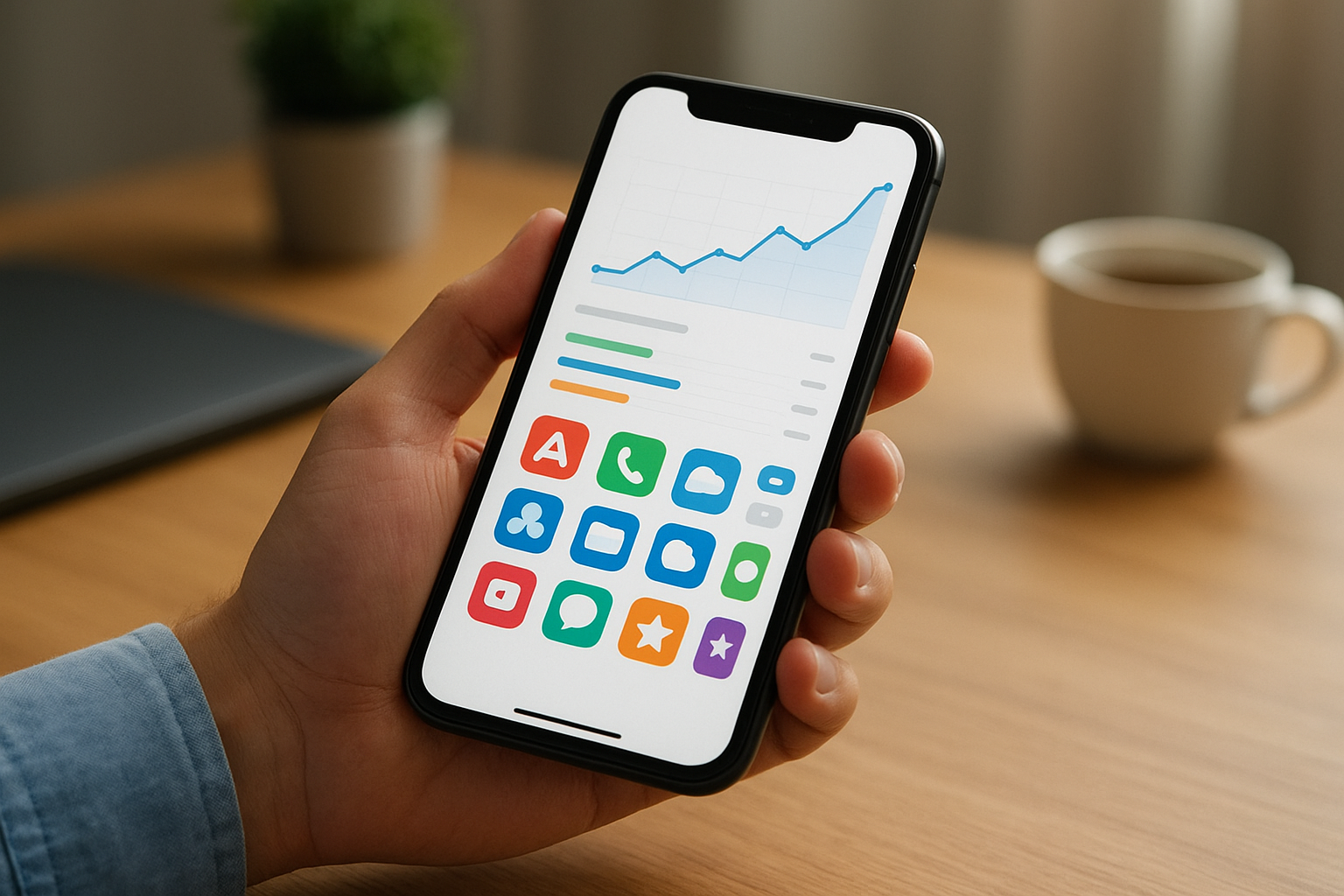
Mobile app analytics is a powerful tool that can transform how you understand and improve your app. Yet, many developers and product teams fail to truly listen to the data their app store provides. Instead of guessing or relying on assumptions, your app store data already holds the answers to what users want, how they behave, and where your app can grow. This guide will help you decode that data, set clear decision criteria, and execute a plan that turns raw numbers into impactful actions.
Problem framing

Despite having access to rich app store data, many app teams struggle to interpret it effectively or prioritize the insights that matter most. This leads to missed opportunities for growth, poor user retention, and wasted marketing spend. The core problem is not the lack of data but the inability to listen and act on it properly. Without a structured approach to mobile app analytics, teams often get overwhelmed by vanity metrics or conflicting signals, resulting in indecision or misguided strategies.
Decision criteria
- Relevance: Does this metric reflect user behavior that affects your app’s success?
- Actionability: Can you design an experiment or change based on this insight?
- Timeliness: Is the data current and reflective of recent user trends?
- Reliability: Is the data accurate and consistent across sources?
Execution path
Collect comprehensive app store data including downloads, user reviews, ratings, retention rates, and conversion funnels.
Integrate mobile app analytics tools that provide granular insights into user behavior and app performance.
Identify key performance indicators (KPIs) aligned with your app’s goals such as daily active users, session length, and churn rate.
Analyze trends and patterns in the data to detect pain points, drop-off moments, or feature adoption rates.
Prioritize hypotheses for testing based on the impact and feasibility of changes suggested by the data.
Implement A/B tests or feature updates to validate assumptions and measure improvements.
Continuously monitor analytics post-implementation to ensure changes deliver the expected results.
Iterate your approach by refining metrics tracked and decisions made based on evolving data insights.
Communicate findings and decisions clearly across your team to align efforts and maintain focus.
Maintain compliance with data privacy regulations to protect user information while analyzing analytics.
Edge cases
- Apps with niche audiences may have limited data volume, making statistical conclusions less reliable.
- Sudden spikes or drops in metrics could be caused by external factors like app store algorithm changes or marketing campaigns, not user behavior.
- Privacy restrictions and data anonymization can limit the granularity of user data, requiring creative analysis methods.
- Apps operating in highly regulated industries must balance analytics with strict compliance, affecting data collection.
Common mistakes
One common mistake is ignoring the context behind app store data, which leads to misinterpreting user behavior and making misguided decisions. Another frequent error is focusing solely on vanity metrics like download counts without analyzing engagement or retention, resulting in wasted resources on ineffective features. Many teams also fail to segment their data properly, causing them to overlook critical user groups and their unique needs. Additionally, neglecting to integrate mobile app analytics with broader marketing and product strategies causes fragmented insights that don’t translate into actionable improvements. Finally, overlooking data privacy and compliance considerations can lead to legal issues and loss of user trust, which ultimately harms app growth and reputation.
Conclusion
Your app store data is a goldmine of insights waiting to be unlocked through effective mobile app analytics. This approach works when you establish clear decision criteria, focus on actionable metrics, and maintain a disciplined execution path. However, it fails when teams ignore data signals, chase vanity metrics, or neglect the context behind the numbers. By truly listening to your app store data and integrating analytics into your decision-making process, you can significantly enhance user experience, retention, and growth. The key is not just to collect data but to interpret and act on it thoughtfully and consistently.